Gas stove burner not heating properly is one of those problems that quietly messes up your entire cooking routine. The flame is on, but your pan takes forever to heat. Water boils slowly, food cooks unevenly, and you keep adjusting the knob thinking it’ll help… but nothing really changes.
Most people assume this means the stove is “going bad.” In reality, that’s rarely the case. A burner that isn’t heating properly usually has a very specific cause—and in many homes, it’s something simple that can be fixed without replacing the stove.
In this guide, I’ll walk you through the 7 most common reasons a gas stove burner doesn’t heat properly, how to check each one safely, and what actually works to fix it.
Contents
Try This First (2-Minute Fix) – Gas Stove Burner Not Heating Properly
Before digging deep, do this quick check:
Turn the burner off. Let it cool slightly. Remove the burner cap and place it back carefully so it sits flat. Turn the burner on again and watch the flame.
If the flame suddenly looks stronger and more even, the problem was alignment.
If not, keep reading.
What “Not Heating Properly” Usually Looks Like
This problem can show up in different ways:
- The flame is on, but weak
- One side of the burner heats, the other doesn’t
- Food cooks unevenly
- The burner takes much longer than usual to heat cookware
Sometimes the flame looks normal, but the heat output just isn’t there. That’s usually a sign of restricted gas flow or poor combustion.
Cause #1: Burner Cap or Burner Head Misaligned
This is the most overlooked cause—and one of the most common.
If the burner cap or burner head isn’t sitting correctly, gas won’t spread evenly. The flame may look “on,” but it won’t deliver proper heat to the pan.
This often happens after:
- Cleaning the stove
- Removing burner parts
- Accidentally bumping the cap
How to fix it
Turn the burner off. Remove the grate and burner cap. Place the burner head and cap back carefully, making sure everything sits flat and centered. There should be no wobbling.
Relight the burner and test again.
Many heating problems are solved right here.
Cause #2: Clogged Burner Ports (Gas Can’t Flow Evenly)
Burner ports are the small holes around the burner where gas comes out. When these get clogged with grease, crumbs, or burned-on food, gas flow becomes uneven and weak.
This leads to:
- Low heat
- Uneven flame
- Slow cooking
How to fix it
Let the burner cool completely. Remove the burner cap and head. Use a toothbrush to gently scrub around the burner holes. If some holes are blocked, use a toothpick carefully to clear them.
Wipe everything clean and dry before reassembling.
Burner Port Cleaning Tool
If you cook often, keeping burner ports clean makes a noticeable difference in heat output.
Cause #3: Moisture Trapped After Cleaning or Spills
If your burner stopped heating properly right after cleaning, moisture is a strong suspect.
Water can hide around the burner base and interfere with gas flow or ignition, causing weak heat even though the burner lights.
How to fix it
Turn off the burner and remove the cap. Let the burner air dry for 20–30 minutes. Use a dry towel to absorb any visible moisture. If needed, gently use a hair dryer on low heat.
Once everything is completely dry, reassemble and test.
This issue often fixes itself once moisture fully evaporates.
Cause #4: Flame Is the Wrong Color (Orange or Yellow)
A burner that’s not heating properly often shows flame color changes.
A healthy flame should be mostly blue. If the flame is yellow or orange, the gas isn’t burning efficiently, which reduces heat.
This usually means:
- Dirty burner ports
- Poor air-to-gas mixture
- Moisture or residue on burner parts
How to fix it
Start by cleaning the burner thoroughly and making sure all parts are dry and aligned. In many cases, this alone brings the flame back to blue and restores proper heating.
If the flame stays yellow on all burners, air mixture or gas pressure issues may be involved.
Cause #5: Low Gas Pressure or Supply Issues
If one burner is weak, it’s usually a burner issue.
But if all burners are not heating properly, the problem is often gas supply related.
Possible reasons include:
- Partially closed gas shutoff valve
- Failing gas regulator
- Low propane level (for propane users)
- Gas line pressure problems
What to do
Check that the gas shutoff valve is fully open. If you use propane, check the tank level. If other gas appliances are also underperforming, contact your gas provider.
Gas pressure issues affect heat output directly and shouldn’t be ignored.
Cause #6: Burner Parts Worn or Damaged
Over time, burner parts can wear out.
Look for:
- Warped burner caps
- Cracked burner heads
- Corrosion
- Uneven flame patterns even after cleaning
If one burner consistently heats poorly while others work fine, damaged parts are likely the reason.
If possible, swap burner caps between burners. If the problem moves with the cap, you’ve found the culprit.
Replacement Burner Cap Set
Replacing worn parts often restores full heat instantly.
Cause #7: Gas Regulator or Internal Component Issues
If you’ve cleaned everything, aligned everything, and checked gas supply—but the burner still doesn’t heat properly—the issue may be internal.
This includes:
- Faulty gas regulator
- Internal valve problems
- Gas pressure imbalance
Signs include:
- Weak heat even on “High”
- Flame size changing randomly
- All burners affected equally
This is not a DIY guessing situation. Regulators and internal gas components should be checked by a professional.
Mistakes That Make Heating Problems Worse
People often try to “work around” weak heat instead of fixing the cause.
Avoid these mistakes:
- Cooking daily with low heat and ignoring it
- Turning burners to max repeatedly
- Spraying cleaners directly into burner holes
- Scraping burner ports with sharp metal
Proper cleaning and alignment solve more problems than people expect.
Tools That Help (Optional)
Burner Port Cleaning Tool
Non-Scratch Scrub Sponge
Replacement Burner Cap Set
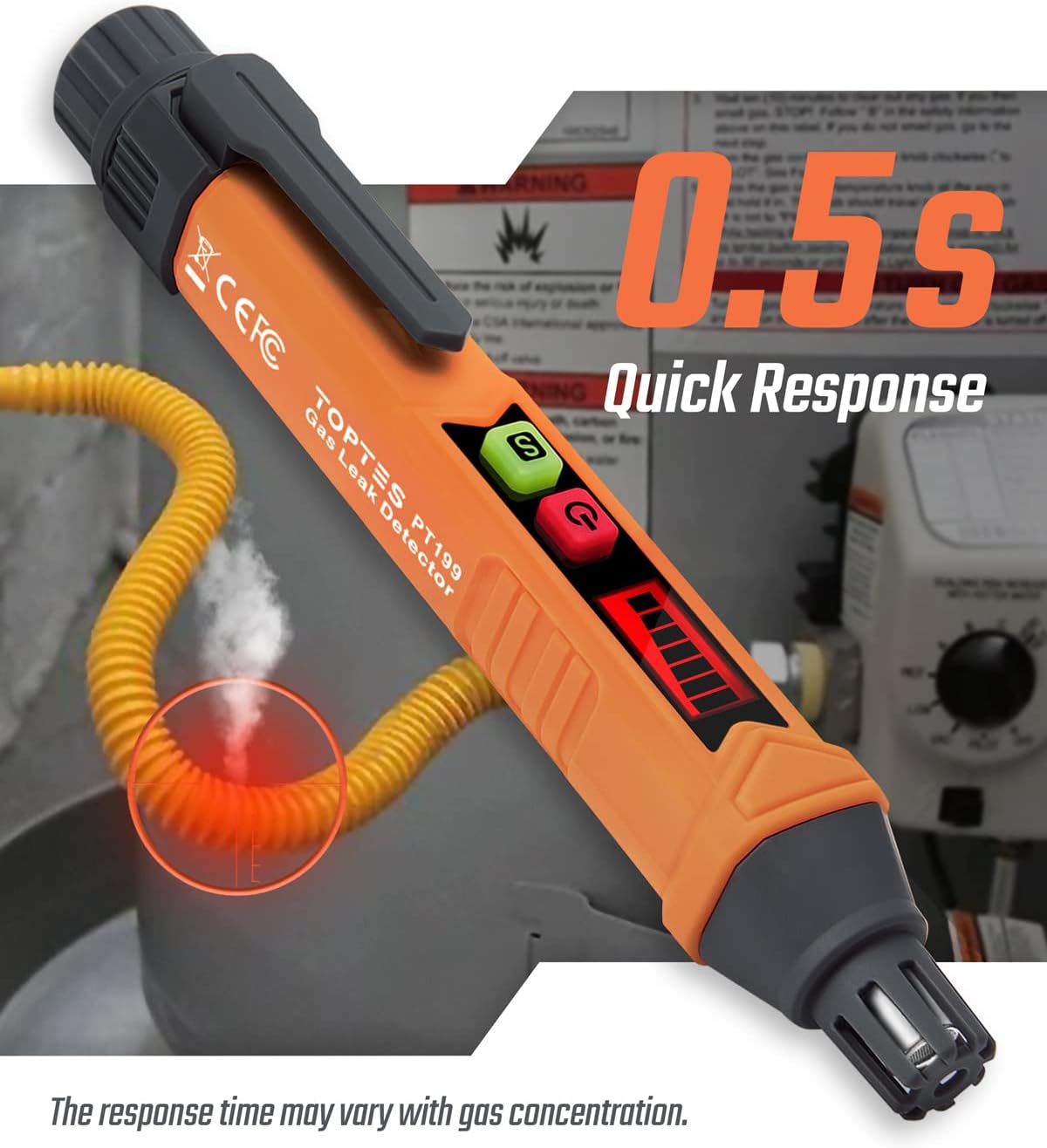
Gas Leak Detector Spray
When You Should Call a Professional
Call a technician if:
- All burners are heating poorly
- Flame stays weak after cleaning
- You suspect gas pressure or regulator issues
- You smell gas or notice unstable flames
Gas-related problems should never be forced or ignored.
Gas Stove Smells Like Burning Plastic – 5 Scary Causes (And What To Do Next)
Final Thoughts
Gas stove burner not heating properly is frustrating, but it’s usually fixable. Start with the basics—burner cap alignment, cleaning burner ports, and drying moisture. Those steps alone solve the issue for many homes.
If the problem affects multiple burners or doesn’t improve, gas supply or regulator issues may be involved. Fixing the root cause will bring your stove back to proper heat—and make cooking feel normal again.