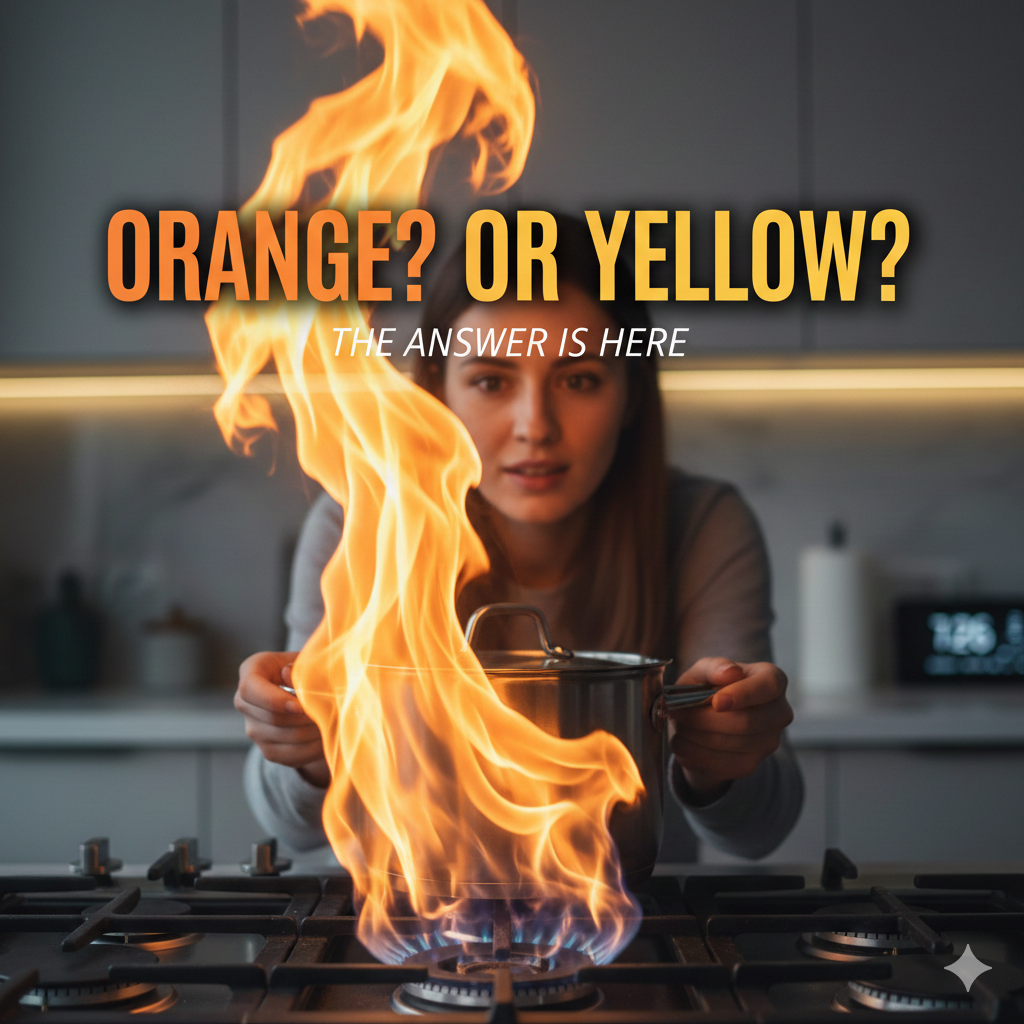
Gas stove flame orange or yellow is one of those things that instantly makes you feel like something is wrong. You expect a clean blue flame, but instead you’re seeing orange tips, yellow flames, or even a lazy flickering flame that doesn’t look “healthy.” And the worst part is… it can make you worry about safety, gas leaks, or whether your stove is burning fuel correctly.
Here’s the good news: in most homes, an orange or yellow gas flame has a clear reason. Sometimes it’s completely harmless (like dust burning off). Other times, it means the burner needs cleaning, or the stove isn’t getting enough air for proper combustion.
In this guide, I’ll explain what causes orange or yellow flames, how to fix them step-by-step, and when it’s time to call a professional.
Contents
Try This First (2-Minute Fix) – Gas Stove Flame Orange or Yellow?
Before you panic, do this quick test:
Turn the burner off. Let it cool for a minute. Remove the burner cap and place it back perfectly centered. Then light the burner again and watch the flame.
If the flame looks better, the cap alignment was the issue.
If it’s still orange or yellow, keep reading.
What Color Should a Gas Stove Flame Be?
In most cases, a healthy gas stove flame should look:
- Mostly blue
- Steady and even
- Strong enough to heat your cookware quickly
A small orange tip sometimes happens and doesn’t always mean danger. But if your flame is mostly yellow or orange all the time, it usually means the stove isn’t burning gas efficiently.
This can lead to:
- Slower cooking
- More soot on pots and pans
- Strange smells
- More gas usage over time
So yes, it’s worth fixing.
Cause #1: Dirty Burner Ports (Grease Blocks the Gas Flow)
This is the most common reason flames turn orange or yellow.
When burner holes get clogged with grease, food crumbs, or burnt residue, gas doesn’t come out evenly. The flame becomes uneven and can change color because the gas-to-air mix gets messy.
What you’ll notice
Your flame looks uneven, low in some spots, or flickers. You might also see black soot on cookware.
Fix it
Turn off the stove and let it cool completely. Remove the burner cap and burner head. Scrub the burner holes gently with a toothbrush. Use a toothpick carefully to clear stubborn blockages. Wipe everything dry and reassemble.
When you relight the burner, you’ll often see a much cleaner blue flame instantly.
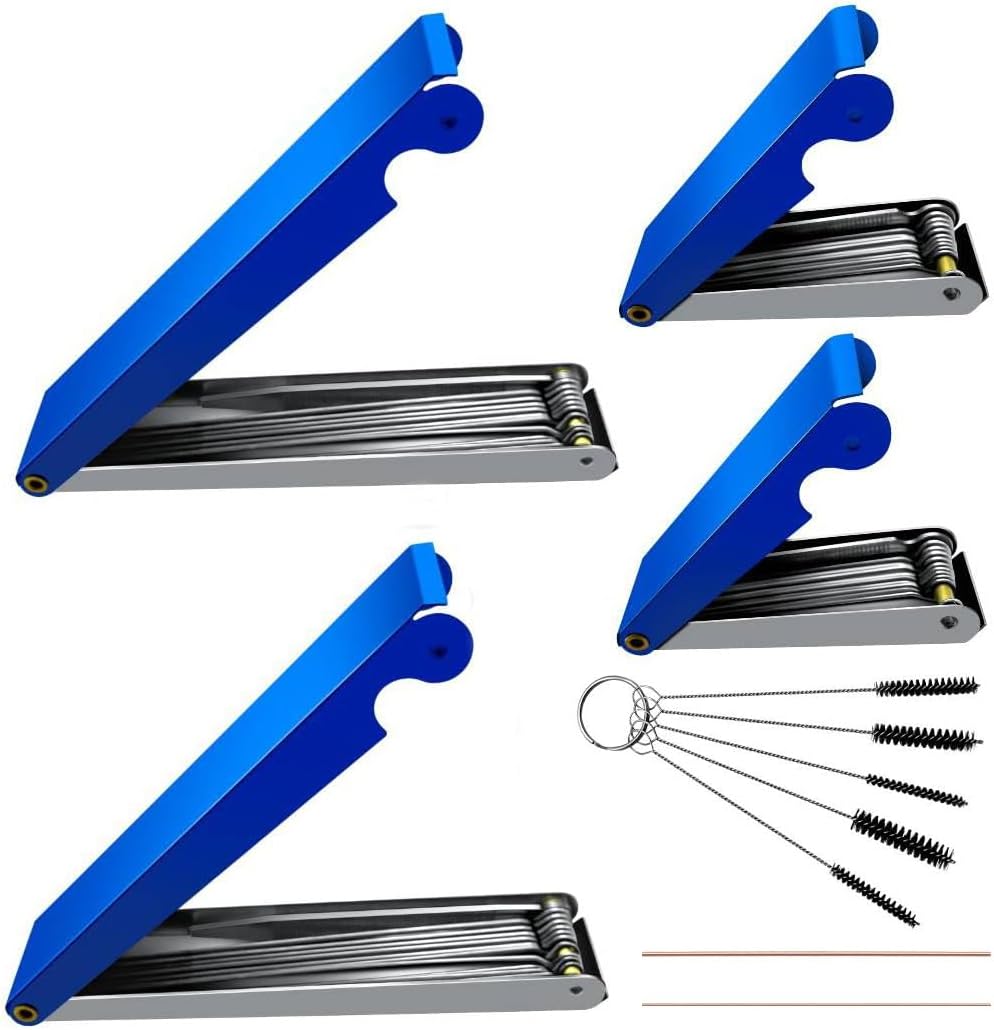
Burner Port Cleaning Tool
Cause #2: Burner Cap Not Seated Properly (Misaligned Burner)
If the burner cap is slightly off, gas will not spread evenly. That can cause flame color changes and uneven burning.
This happens often after cleaning, wiping the stove, or removing burner parts.
Fix it
Turn the burner off, remove the cap, and set it back in place carefully. It should sit flat with no wobble.
Relight the burner and check.
This seems small, but it makes a big difference.
Cause #3: Moisture on the Burner (After Cleaning or Spills)
Moisture changes the way the flame burns. If water is trapped around the burner, the flame can turn yellow, flicker, or appear unstable.
This is especially common after:
- Wiping the stove with a wet cloth
- Using spray cleaners
- Boil-overs
Fix it
Remove burner caps and let everything air dry for 20–30 minutes. If you’re in a hurry, use a dry towel and gently dry the burner area.
Once the burner is fully dry, relight it.
Sometimes the flame returns to normal just from drying alone.


Cause #4: Dust Burning Off (Harmless, But Looks Scary)
If you haven’t used your stove in a while, dust can settle on burner parts. When you turn it on, that dust burns and can cause temporary orange flames.
This is common when:
- The stove sat unused for days/weeks
- You just cleaned but didn’t fully wipe all residue
- There was dust in the kitchen air
What to do
Turn the burner on for a minute or two and observe. If the flame gradually turns blue, it was likely dust burning off.
If it stays orange/yellow after a few minutes, then it’s probably not dust and you should check other causes.
Cause #5: Not Enough Air Mixing With the Gas (Air Shutter Issue)
For proper combustion, your stove needs the right amount of air mixing with the gas. If the burner isn’t getting enough air, the flame can turn yellow or orange.
This is more common on older stoves that have an adjustable air shutter.
Signs
Flame is mostly yellow, lazy, and may produce soot.
What to do
If your stove model allows air shutter adjustment, it might need a small tweak. This is usually under the burner area and may require removing parts to access.
If you’re not comfortable adjusting it, it’s safer to call a technician. Gas-to-air mixture adjustments are easy for professionals and can make your stove burn clean again.
Cause #6: Wrong Gas Type or Conversion Issue (Natural Gas vs Propane)
This is less common, but it’s important.
If your stove is set up for the wrong gas type, the flame can burn strangely. Natural gas and propane use different burner orifices. If a stove was converted incorrectly or installed with the wrong parts, flame color can change.
Warning signs
The flame is very yellow or orange all the time and doesn’t improve after cleaning. It may also produce more soot than normal.
What to do
Check your stove documentation and confirm whether it’s natural gas or propane setup. If you recently moved, bought a used stove, or had gas service changes, this is worth checking.
A technician can confirm and correct conversion issues safely.
Cause #7: Gas Pressure or Regulator Problems
Gas pressure matters more than people realize. If the pressure is unstable or too low/high, your flame might burn unevenly and change color.
You may notice:
- Weak flames on all burners
- Flames that change size randomly
- Burners taking longer to heat
This isn’t something you want to guess with, because regulators and gas pressure are safety-related.
If you’ve cleaned everything and the flame still looks wrong on all burners, it’s time to get it checked professionally.
Gas Stove Low Flame? Here’s How to Fix It (7 Real Fixes That Work)
Mistakes People Make When They See Yellow Flames
A lot of people ignore it because the burner still works. But if you’re getting heavy yellow flames and soot, it means inefficient burning.
Avoid these mistakes:
Don’t keep cooking daily with sooty flames. Don’t scrape burner holes aggressively with sharp metal. Don’t spray cleaner directly into burner openings. And don’t assume it will fix itself without cleaning.
Tools That Help (Optional)
Burner Port Cleaning Tool
Non-Scratch Scrub Sponge
Gas Stove Degreaser Spray
When You Should Call a Professional
Call a professional if:
The flame stays yellow/orange even after cleaning. You see soot building up regularly. Multiple burners are affected. You suspect gas conversion issues or pressure problems.
If something feels unsafe, it’s always better to stop and get help.
Final Thoughts
Gas stove flame orange or yellow is usually caused by something simple like dirty burner ports, moisture, or a burner cap that isn’t seated properly. Start with cleaning and alignment first, because those fixes solve the issue for most people.
If it still doesn’t change, you may be dealing with air mixture, gas type, or pressure problems. Fixing it is worth it—not just for performance, but also for safer, cleaner cooking.